

The Pahadi Story: naming, packaging design and D2C brand building for a Himalayan wellness brand

D2C · Food and wellness · Almora, India
D2C brand building, from a question to 10 million cups of tea.
BigBrandTheory did not brand The Pahadi Story. We started it.
Every consumer brand starts with a product. The Pahadi Story started with a question. How do you bring the honesty, simplicity and richness of the Himalayas into everyday life without losing what makes it authentic?
This is the only brand on this site we own. It was founded, not commissioned, and the purpose was defined before a single product existed. Six years on it has more than 50,000 customers, over 10 million cups of tea sold and more than 20 products, and we still run it.
6 years · 50,000+ customers · 10 million+ cups of tea · 20+ products · and growing
- D2C branding
- Consumer brand creation
- Brand strategy
- Brand naming
- Brand identity
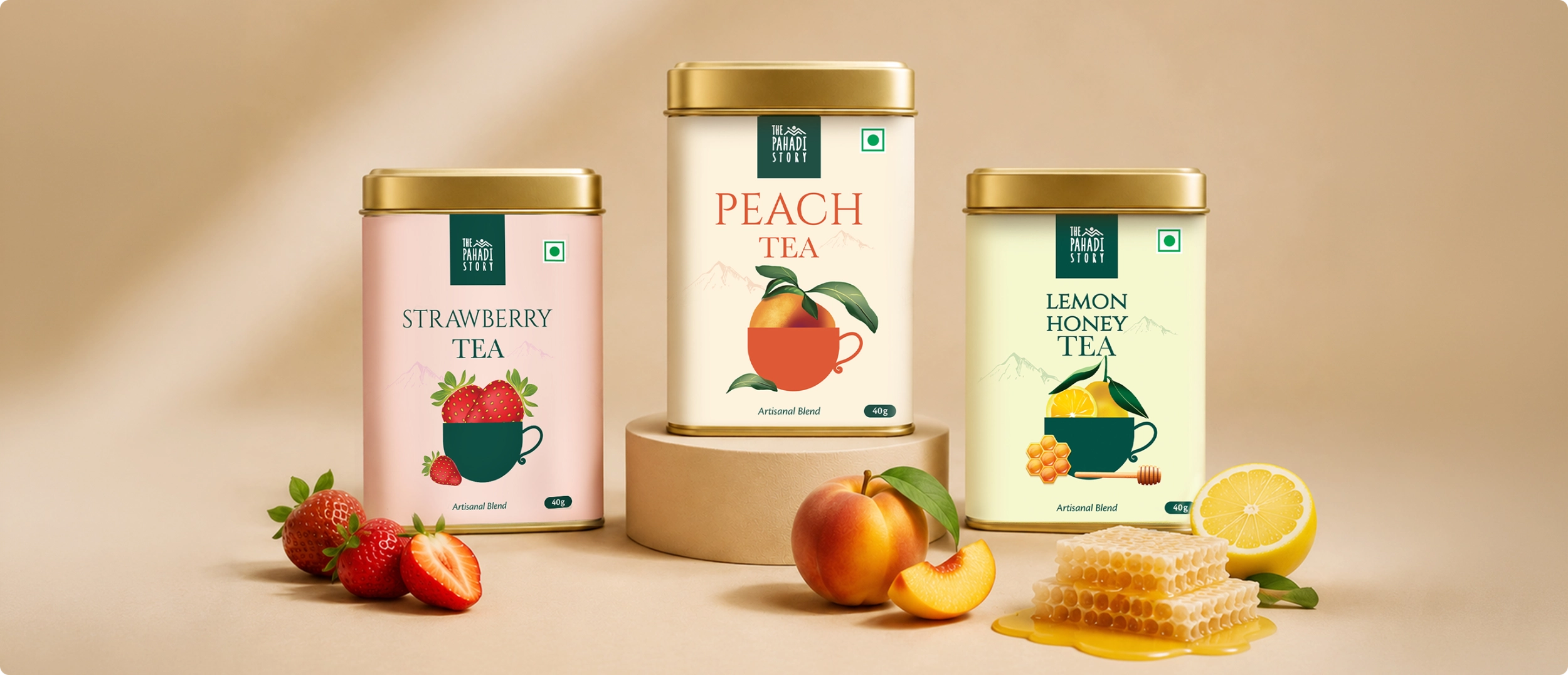
- Packaging design
- Product architecture
- Website design
- Amazon A+ content
- Social and content
- Photography and brand films
- Retention marketing
- Corporate gifting
- Brand stewardship
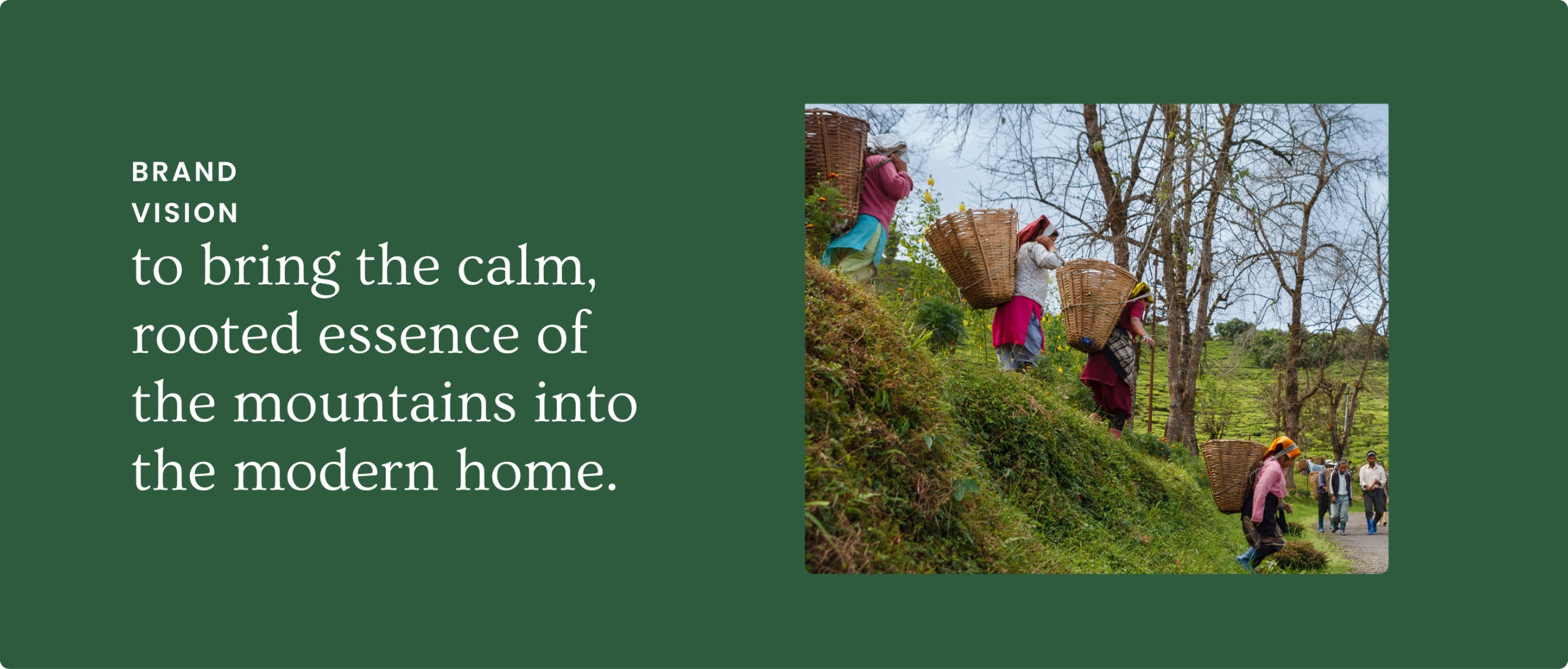
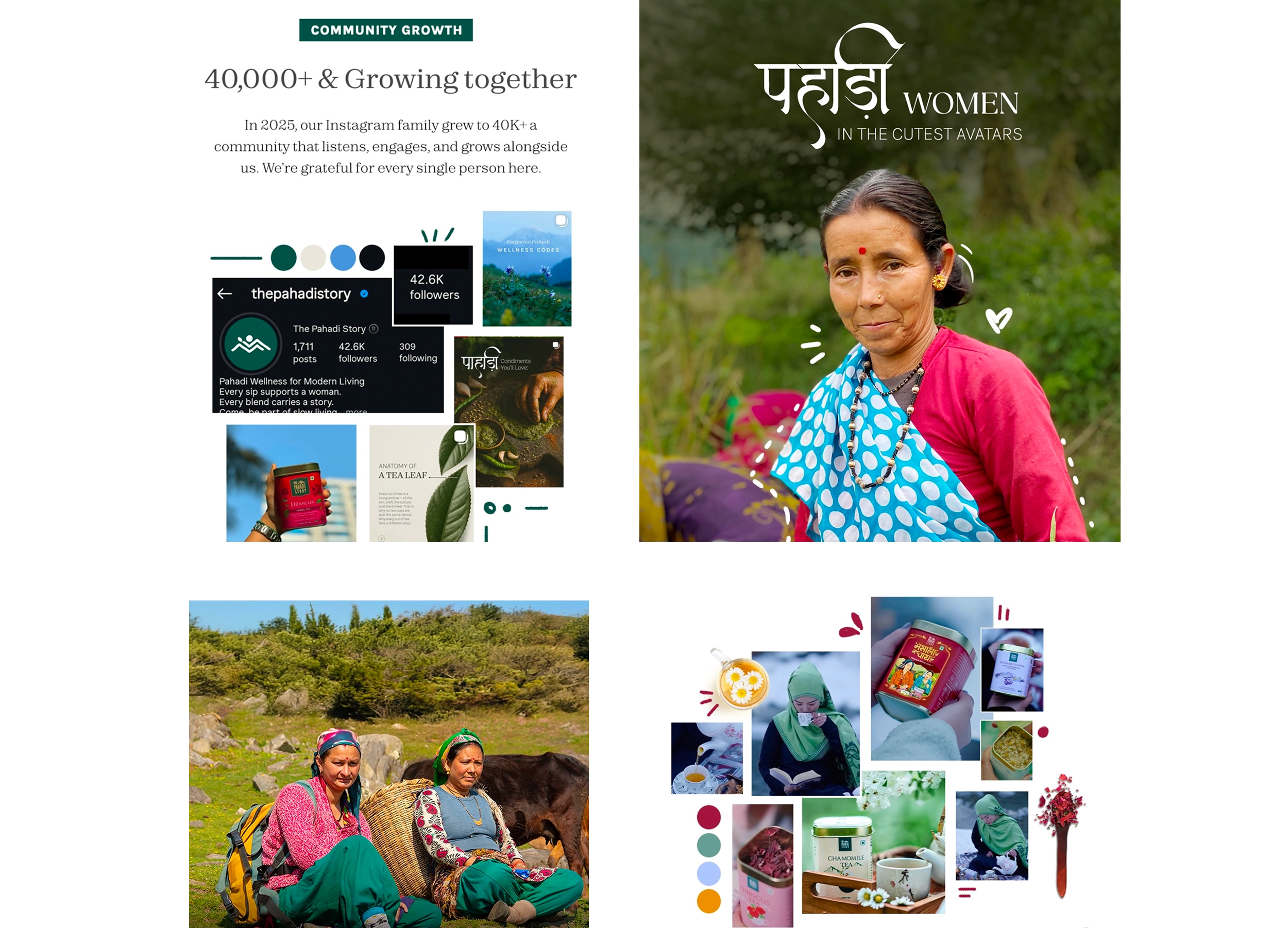
It started with a question, not a product
Most brand work begins with something to sell and reverse-engineers a reason to believe in it. We had the opposite problem, which is a better one. A belief, a place, and nothing to put in a jar yet.
That order matters more than it sounds. A purpose written after the product exists has to accommodate it. A purpose written first decides what the product is allowed to be.
The name became the strategy
The Pahadi Story was never built to sell tea, honey, salts or wellness products. It was built to tell the stories of the people, landscapes, traditions and craftsmanship that make the Himalayas unlike anywhere else.
Every future product became another chapter rather than another line item. That is why the portfolio could grow to twenty products without the brand needing to be rewritten once.
The platform
Every product should tell a Himalayan story.
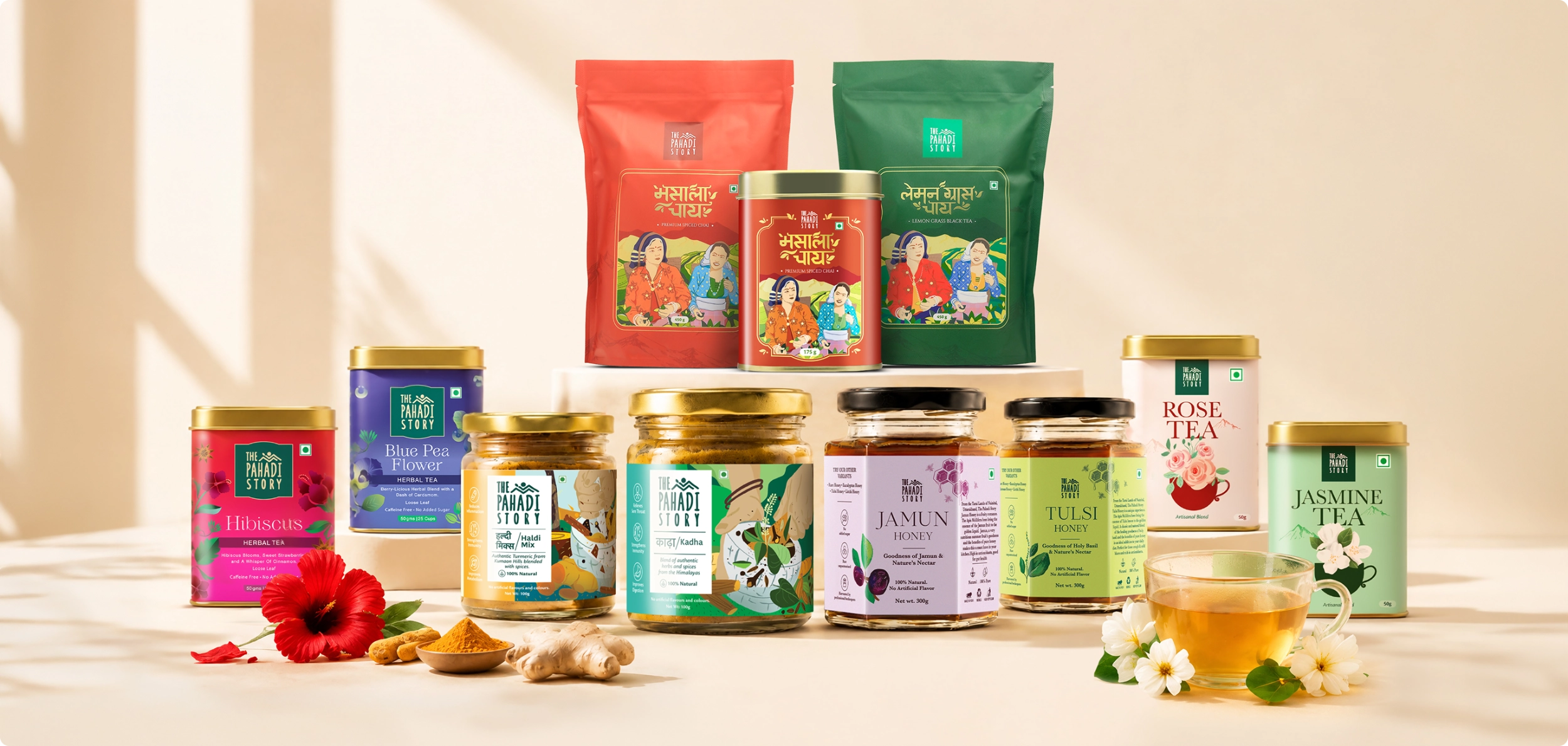
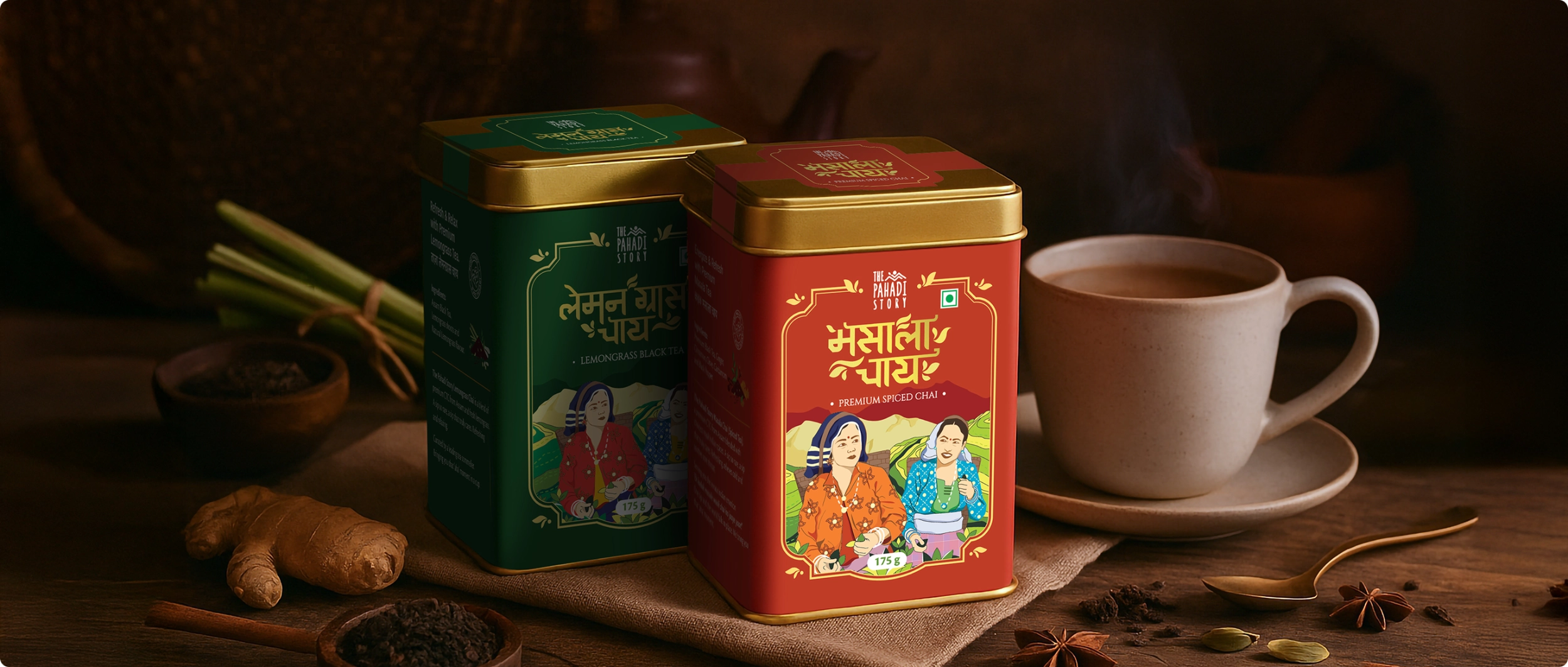
Restraint over decoration
Himalayan brands tend toward the picturesque, and the picturesque gets tired quickly. We took the visual language from mountain simplicity instead, balancing premium minimalism with warmth.
The discipline was deciding what to leave out. A label crowded with imagery is a label that does not trust its own provenance.
One family, many categories
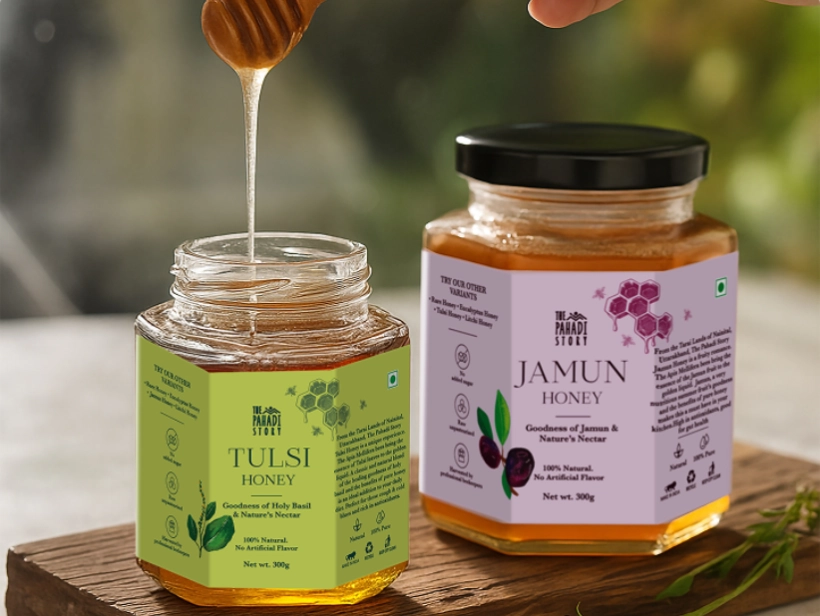
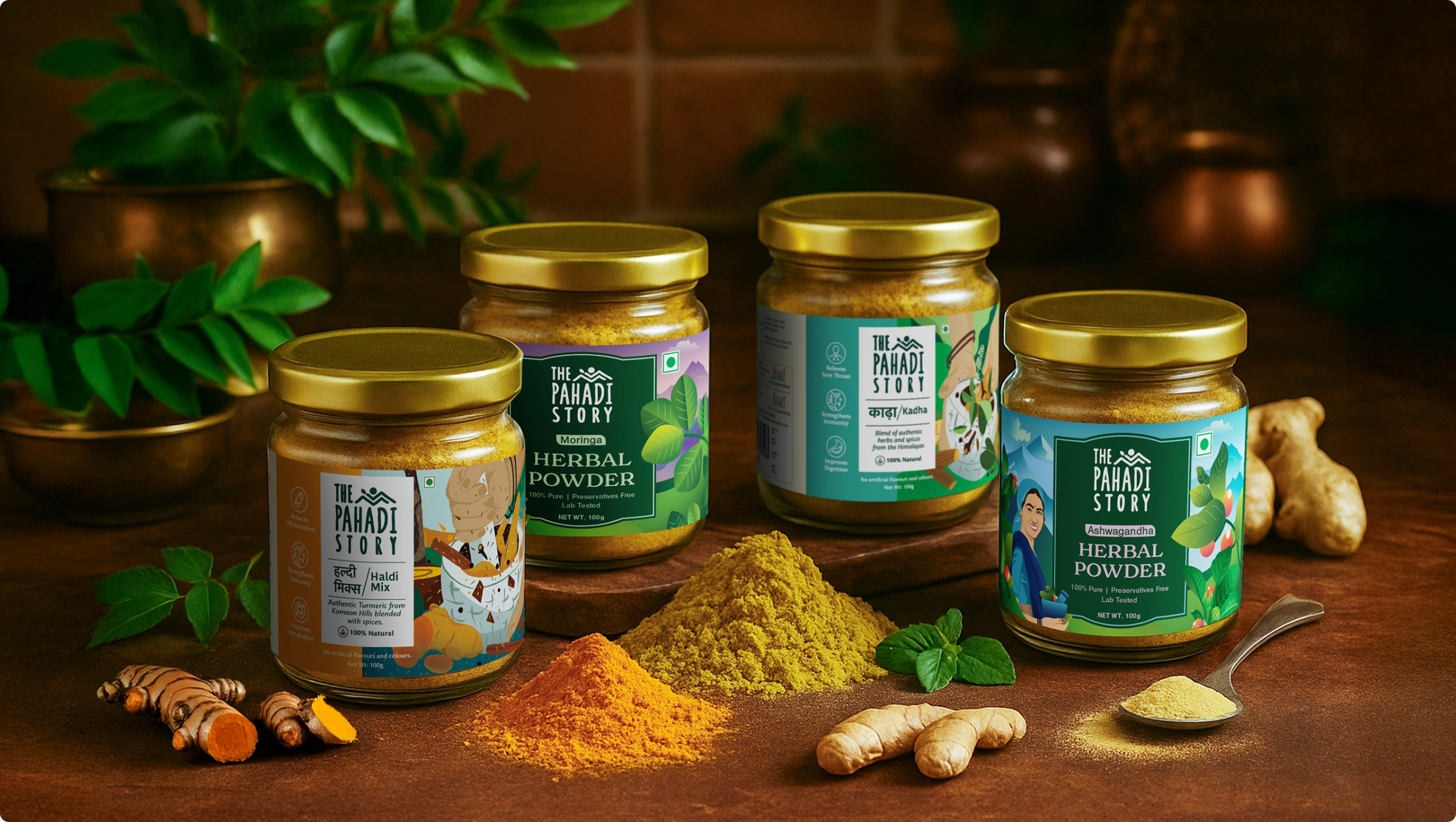
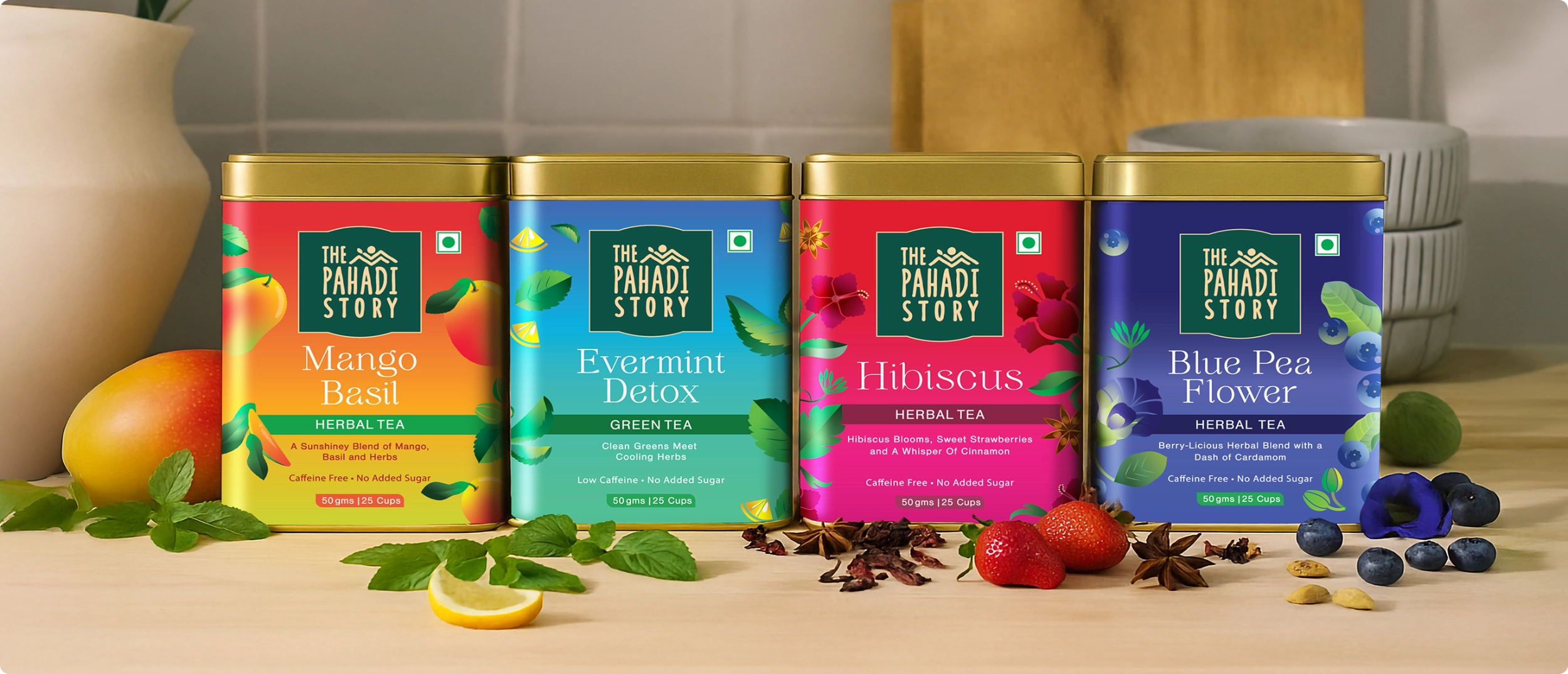
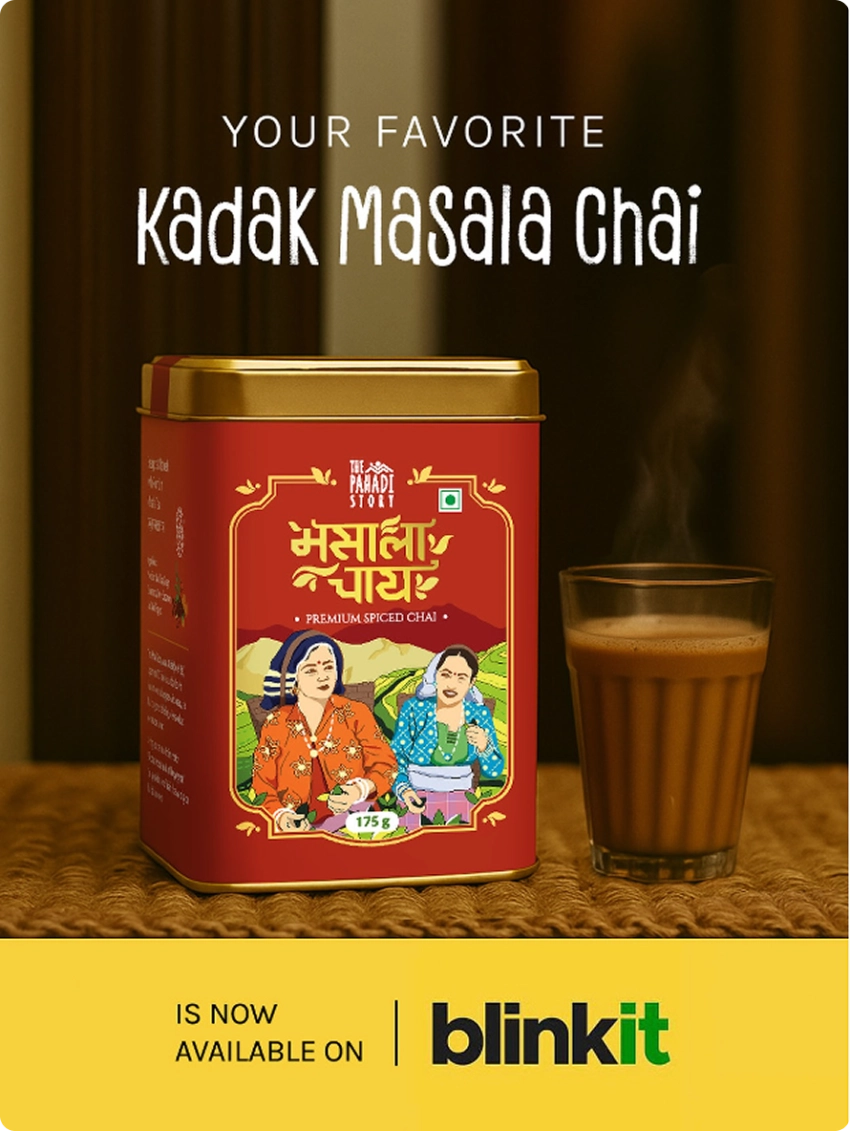
As the portfolio expanded from masala chai and herbal teas into Himalayan honey, salts, incense and gifting, each category had to express its own personality and stay unmistakably part of the same family.
That is a product architecture problem rather than a design one, and solving it early is why a new category joins the brand instead of fragmenting it.
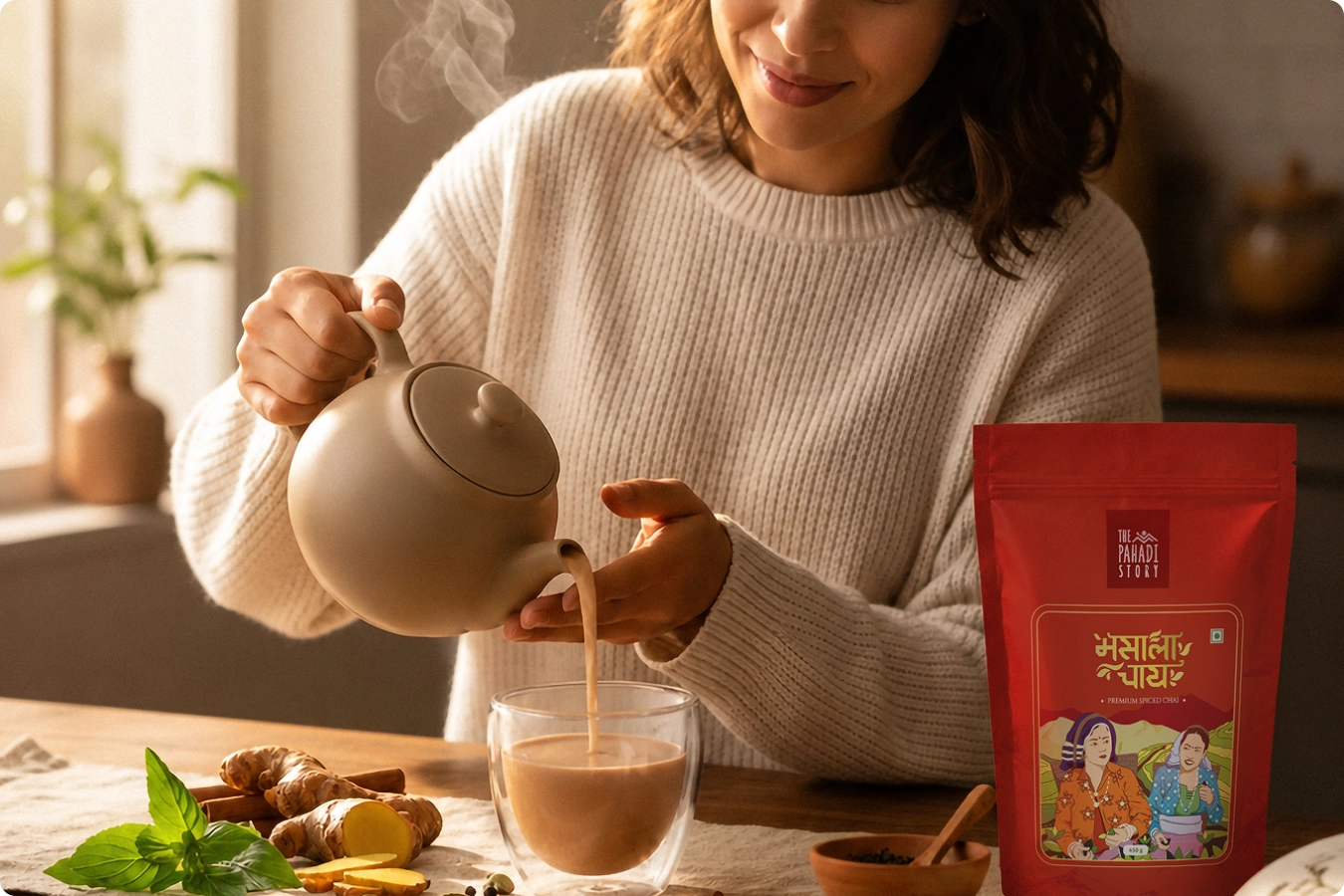
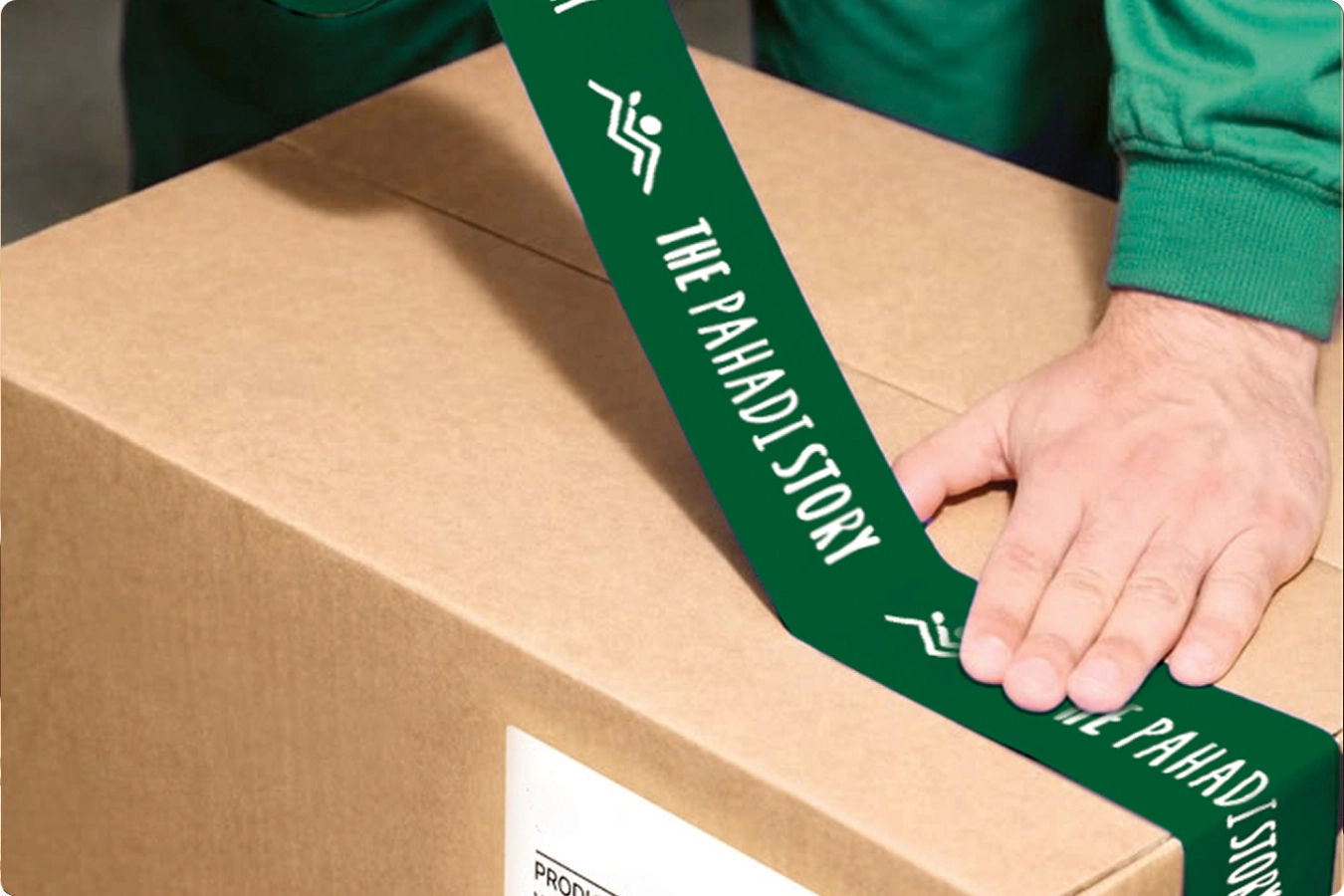
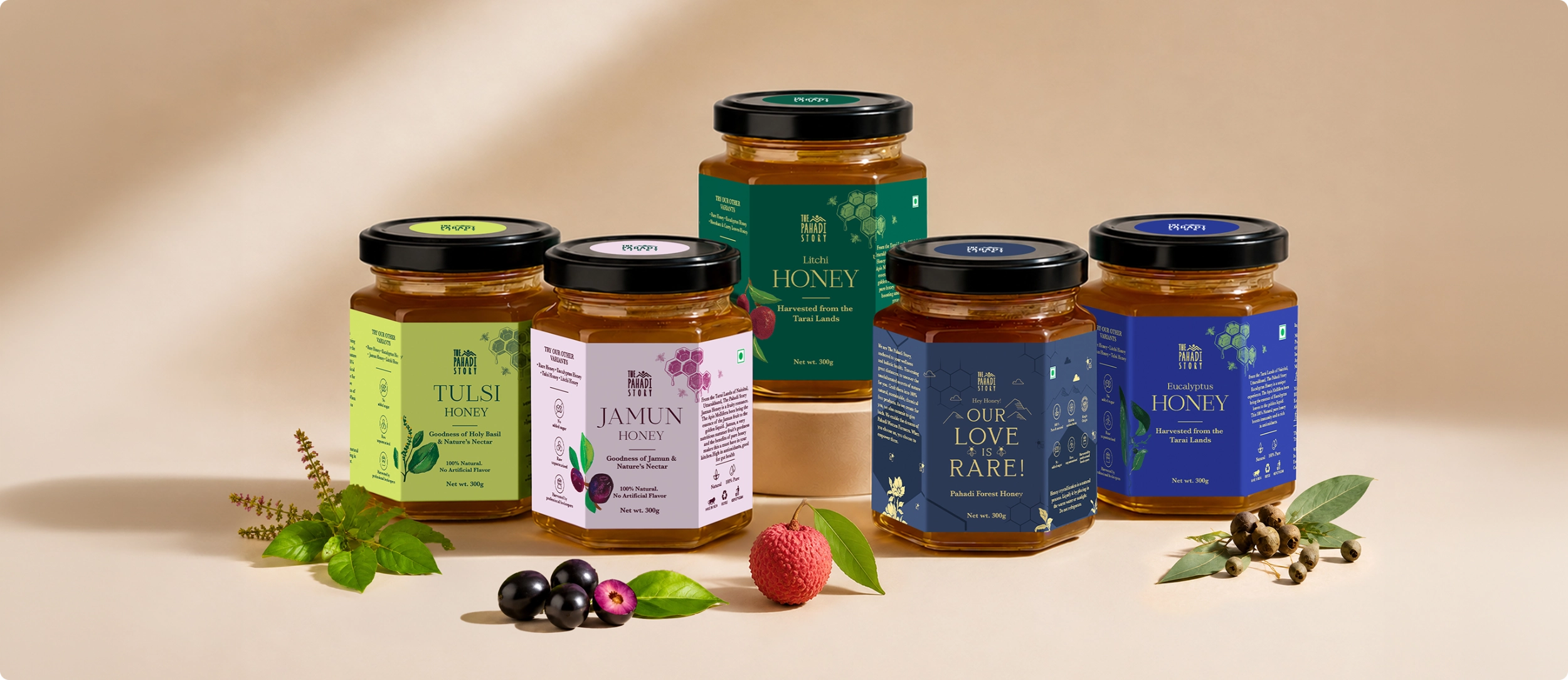
D2C packaging design as a storytelling platform
In direct to consumer, the pack is the only piece of the brand a customer physically holds. Treating it as a container is the most expensive mistake in the category.
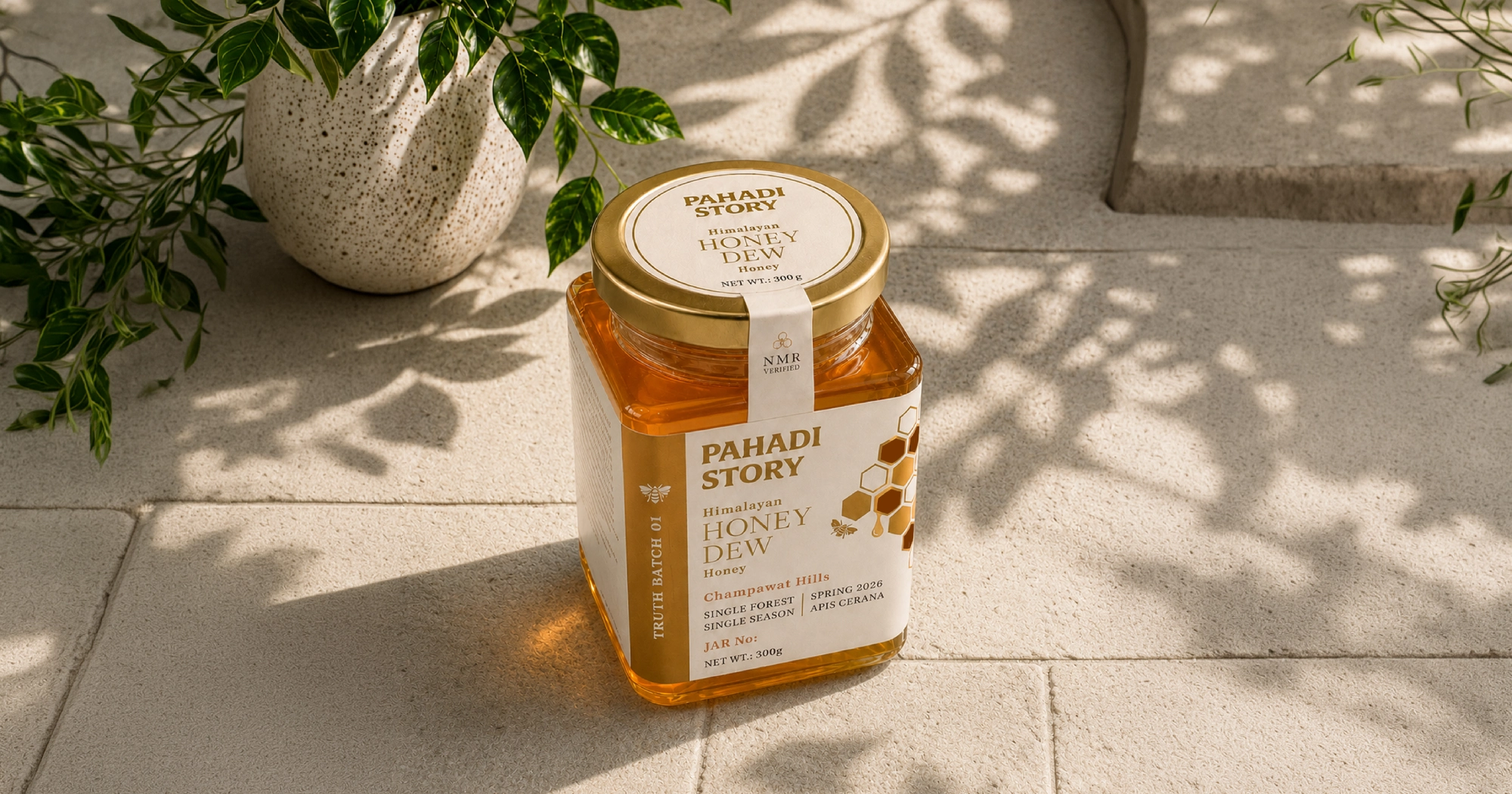
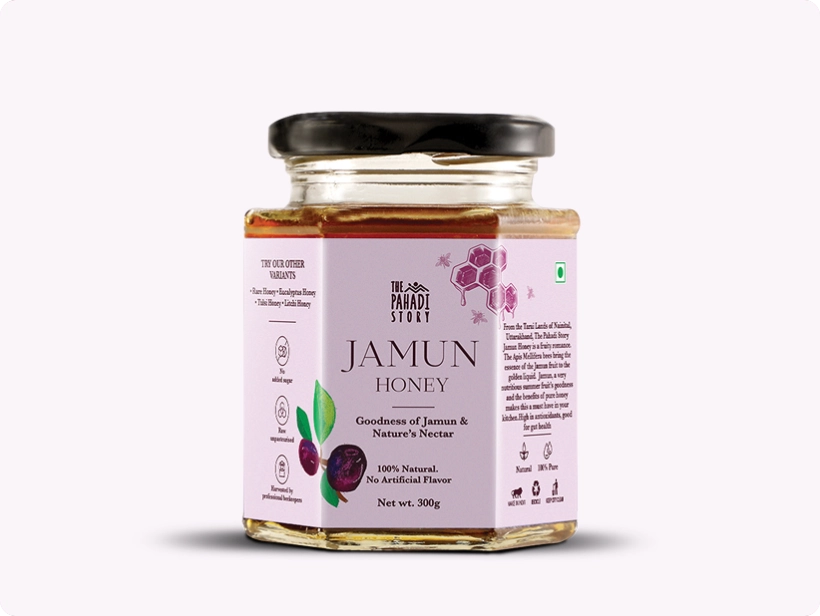
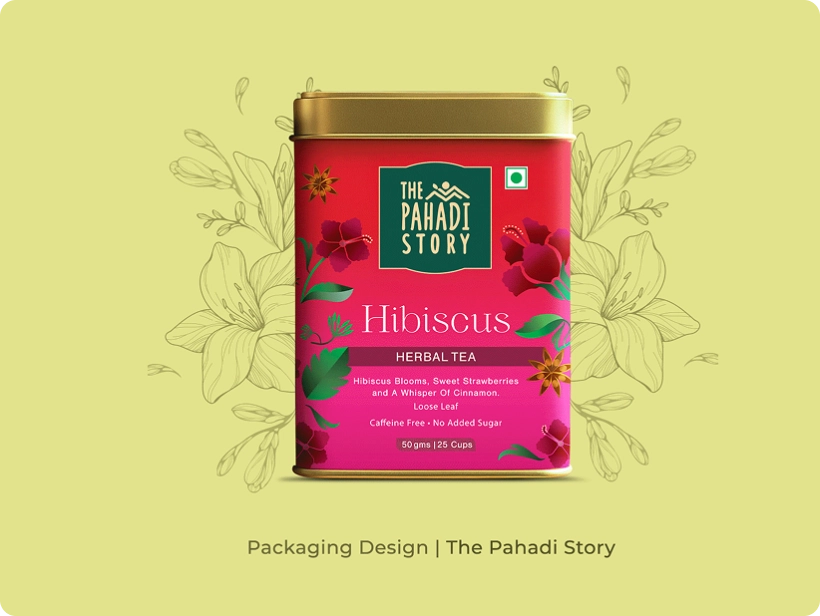
So every label was built to carry provenance, ingredients, craftsmanship and the communities behind them, rather than to display a product name.
Provenance on every label
A customer who understands where something came from pays differently for it, and talks about it differently afterwards.
The pack became the brand’s most read piece of communication, which is a strange thing to say until you work out how little of a website anyone actually reads.

One experience from discovery to repeat purchase
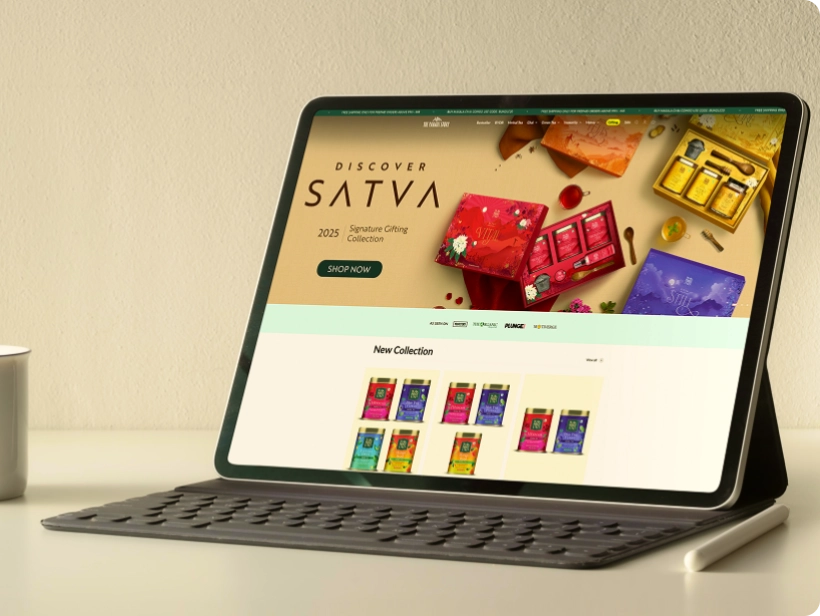
The same philosophy carried across the website, Amazon A+ content, social media, photography, films, email journeys and customer communication.
Not because consistency is a virtue in itself, but because a customer does not experience channels. They experience one brand, badly joined or well joined.
Retention is where a D2C brand is actually won
Acquisition gets the attention and retention pays the bills. Most consumer brands discover this about two years later than they should.
Building retention communication into the brand from the start, rather than bolting it on when the paid numbers stop working, is the single decision that separates a brand from a storefront.


Brand stewardship, not an agency relationship
Product launches, seasonal campaigns, digital commerce, gifting, retail communication and ongoing storytelling all run inside one long-term partnership rather than as separate briefs.
Every new initiative strengthens the same identity. Nothing gets commissioned as a campaign that forgets what came before it.
What owning it teaches us
Running a brand is a different education from advising one. Stock decisions, margin, a bad batch, a season that does not convert, a customer who writes in disappointed.
It is the reason we can take a founder from positioning through to a media plan rather than handing over at the guidelines, and the reason we know what a brand costs to keep rather than only what it costs to make.
Today The Pahadi Story is a purpose-led business that has grown through authenticity rather than advertising, with the honey launch, Truth Batch 01, as its most recent chapter.
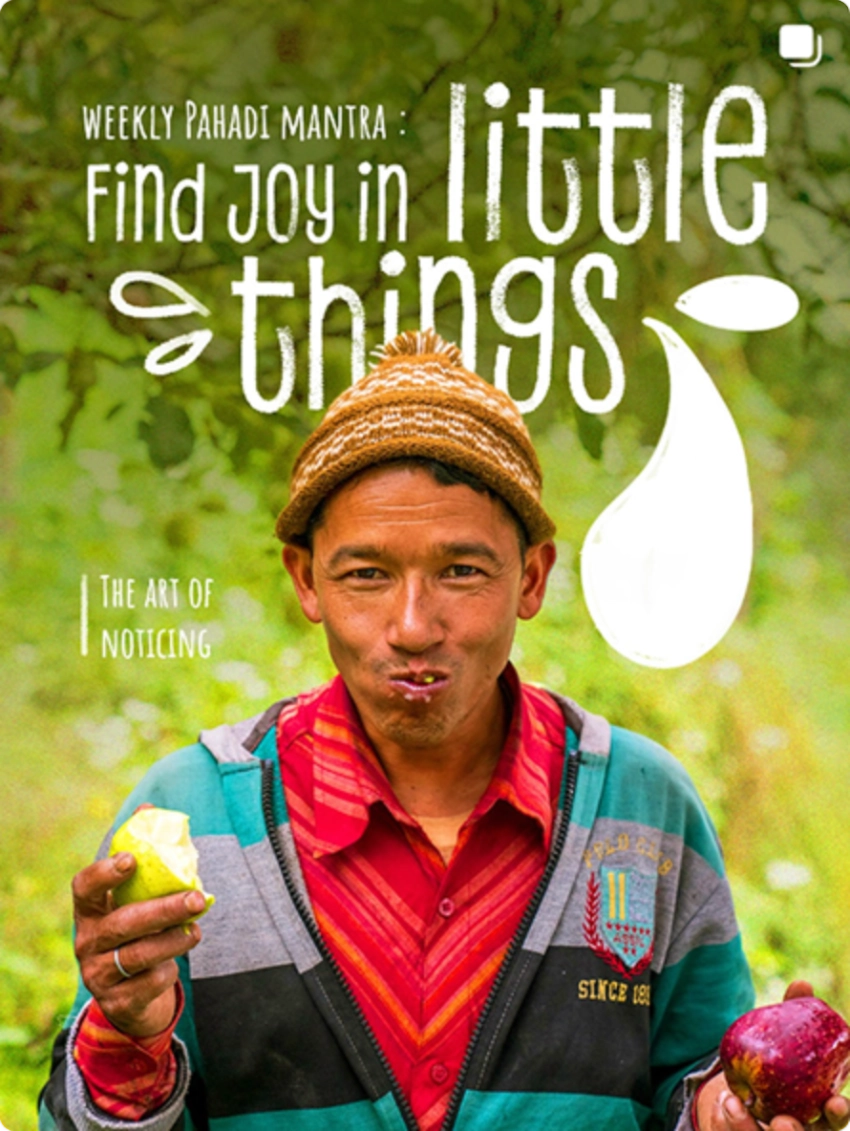
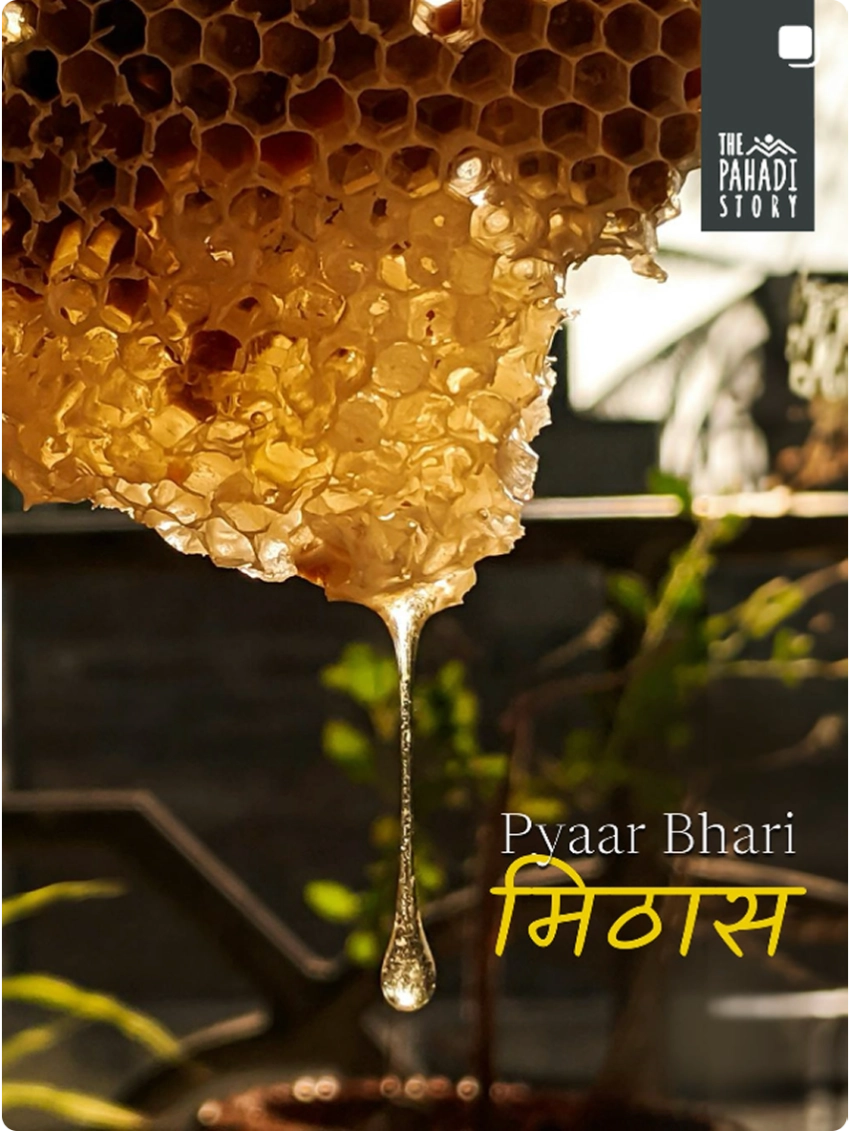
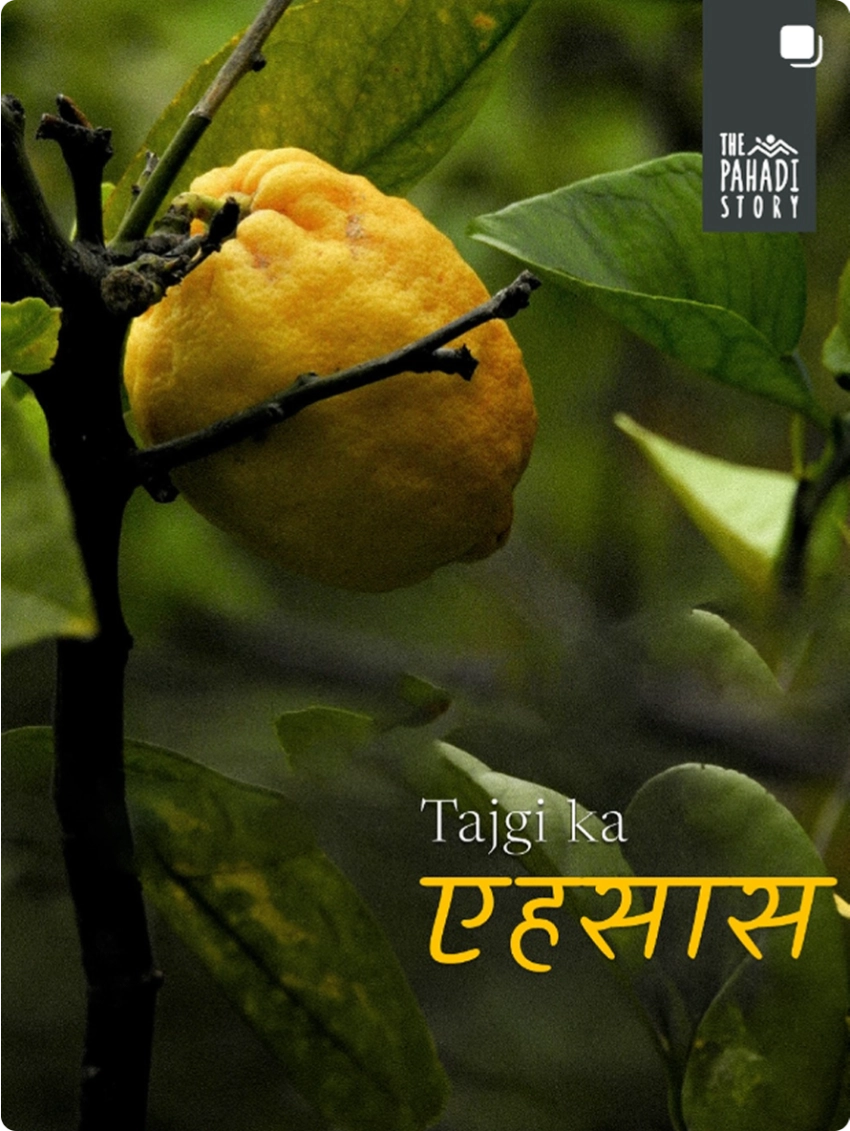
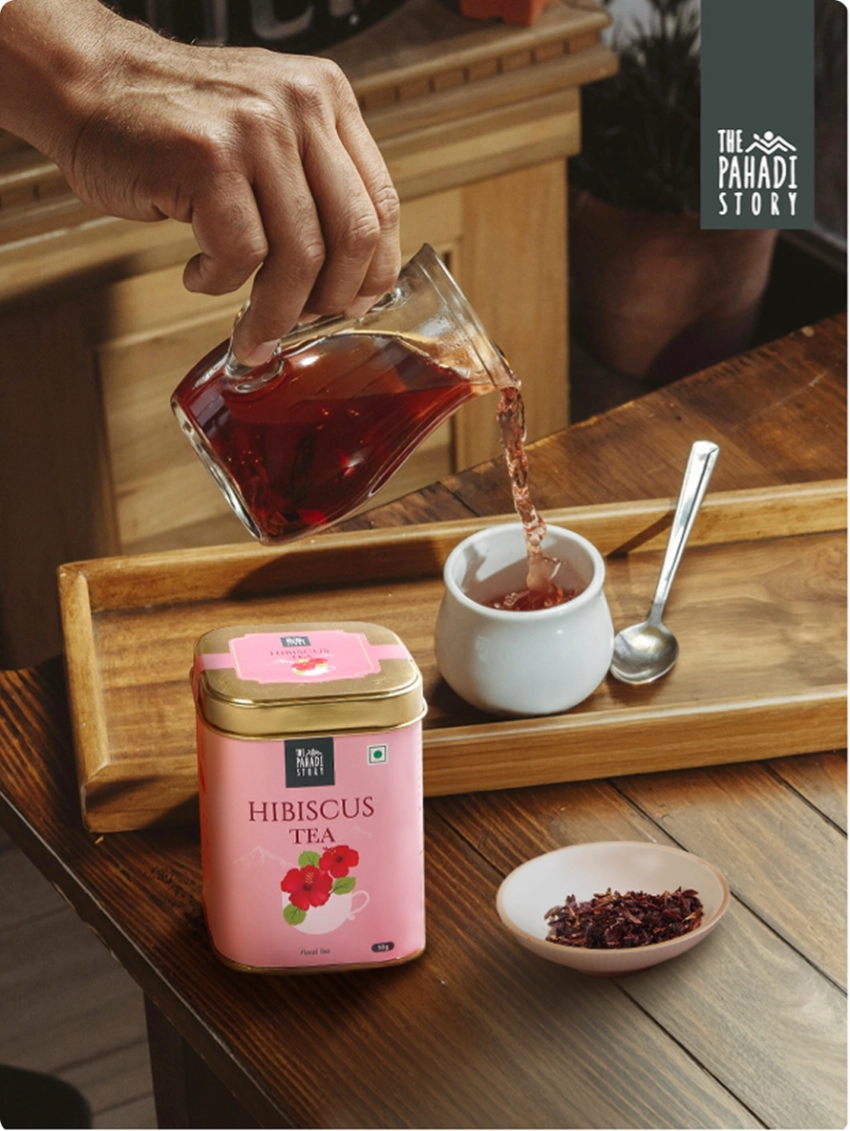
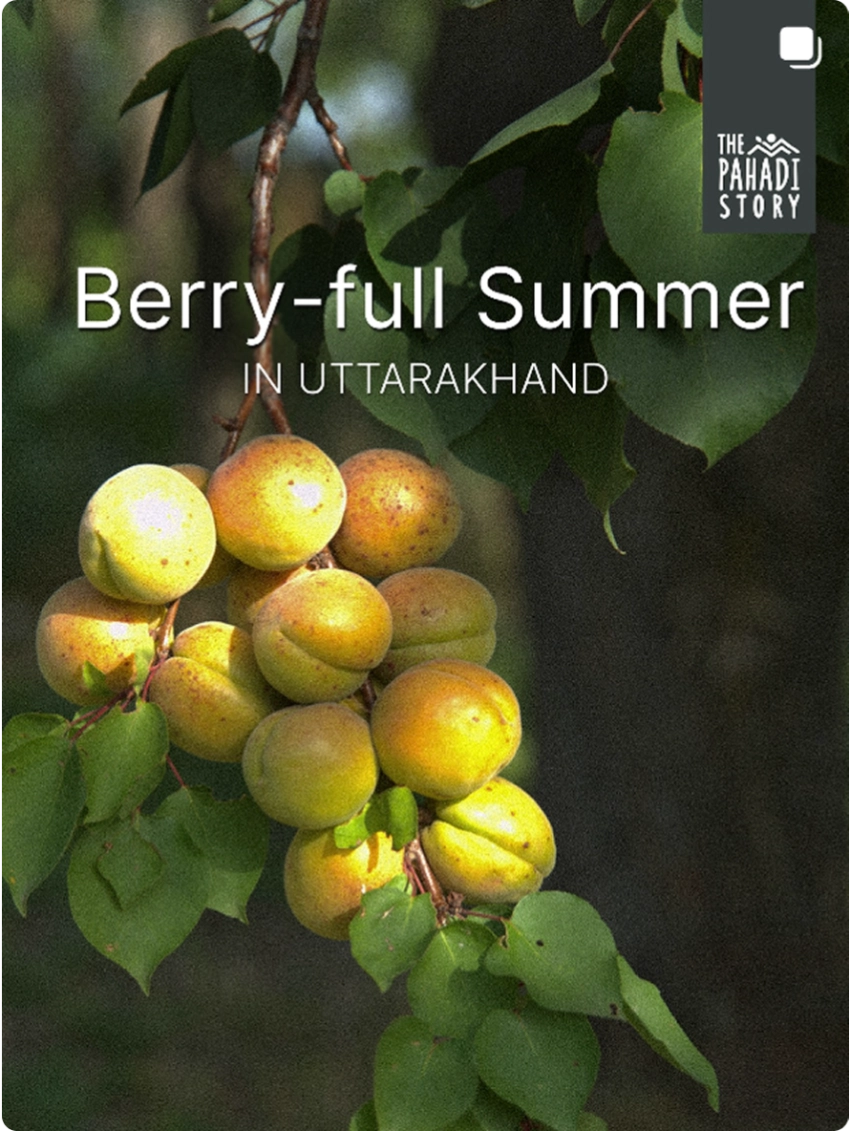

The Pahadi Story has never been about selling products. It has always been about building trust around a place, its people, and their stories.
A brand that grew on story rather than spend.
Frequently asked
What is The Pahadi Story?
The Pahadi Story is a Himalayan food and wellness brand based in Almora, India, selling masala chai, herbal teas, Himalayan honey, salts, incense and gifting collections direct to consumers. It has more than 50,000 customers and has sold over 10 million cups of tea across six years.
What was BigBrandTheory’s role?
BigBrandTheory did not brand The Pahadi Story, it co-founded it. The work covers the purpose and positioning written before the first product, the name, identity and packaging, the product architecture, the website and Amazon A+ content, social, photography and brand films, retention marketing, corporate gifting, and the ongoing brand stewardship that runs it today.
How do you build a D2C brand that can add new categories?
By writing the product architecture before the second product exists. The Pahadi Story was built to tell Himalayan stories rather than to sell tea, so honey, salts, incense and gifting each arrived as another chapter rather than as a new brand problem.
Why does packaging matter more in D2C?
Because the pack is the only part of the brand a customer physically holds, and it is read far more carefully than any website. Every Pahadi Story label carries provenance, ingredients, craftsmanship and the community behind the product, which is also why customers describe the brand to other people in those terms.
Why should a branding consultancy run its own brand?
Because advising a founder and being one are different educations. BigBrandTheory co-founded and still runs The Pahadi Story, which is why it can take a consumer brand from positioning through packaging and commerce to the retention plan, and why it knows what a brand costs to keep rather than only what it costs to build.